Home Learn How it works Techniques Pricing ACT CBT FAQ Case Studies Blog Contact Login Start free →

Real Stories of Breaking the Loop

How people used CBT, ACT, and Stop The Loop to overcome health anxiety, panic disorder, social anxiety, overthinking, and more. Every journey is different. Every loop can be broken.

Names and identifying details have been changed. These are composite case studies based on common anxiety presentations and evidence-based treatment approaches.
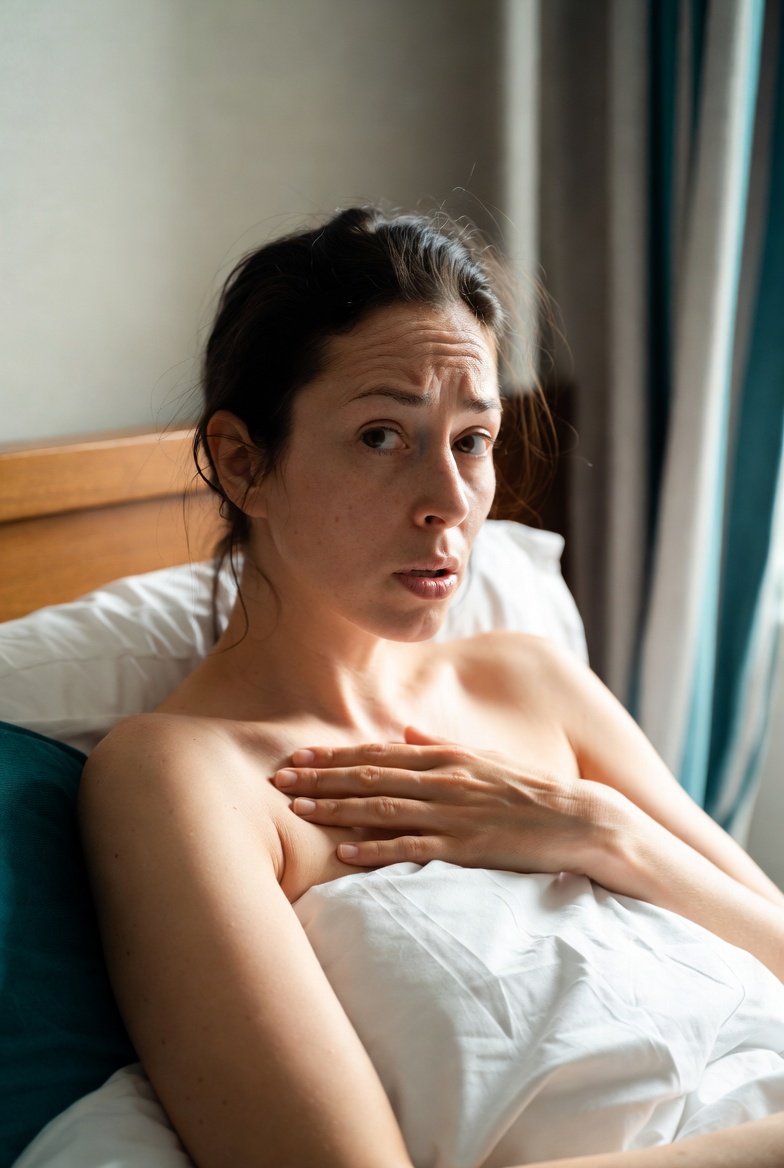
Sarah, health anxiety case study
S
Sarah, 34
Marketing manager · Bristol
Health Anxiety

"I was Googling symptoms 3 hours a day. My GP said I was fine — I didn't believe her."

How Sarah broke a 4-year cycle of symptom-checking, GP visits, and health catastrophising using CBT's Theory A vs Theory B and ACT defusion techniques.

12 wksRecovery
90%Less checking
3hrs→10minDaily Google time
Read Sarah's story →
James, panic disorder case study
J
James, 28
Software developer · Manchester
Panic Disorder

"My first panic attack was on the Tube. Within a month I couldn't get on a train."

How James went from daily panic attacks and complete avoidance of public transport to commuting freely — using graded exposure and interoceptive exposure.

16 wksRecovery
0Panic attacks/month
FullCommute restored
Read James's story →
Priya, social anxiety case study
P
Priya, 21
University student · Leeds
Social Anxiety

"I stopped going to lectures because I was terrified people were judging me."

How Priya challenged her mind-reading distortions and rebuilt her social confidence through behavioural experiments and graded exposure during her second year.

10 wksRecovery
100%Lecture attendance
2 newFriend groups
Read Priya's story →
Mark, GAD and overthinking case study
M
Mark, 41
Operations director · London
GAD / Overthinking

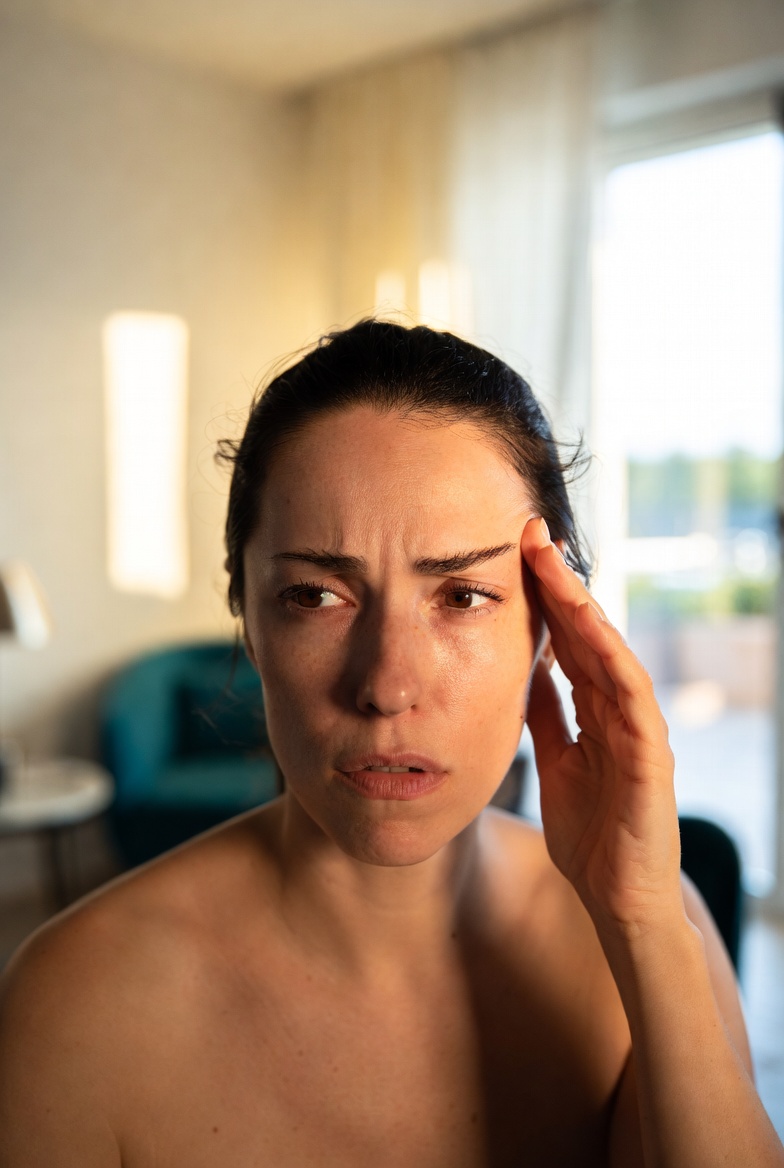
"I'd lie awake replaying every decision I'd made that day, convinced I'd missed something."

How Mark broke a decade-long pattern of rumination and catastrophic overthinking using worry postponement, thought records, and ACT values work.
8 wksRecovery
6→1hrDaily worry time
7 hrsSleep restored
Read Mark's story →
Emma, postnatal anxiety case study
E
Emma, 30
New mother · Edinburgh
Postnatal Anxiety

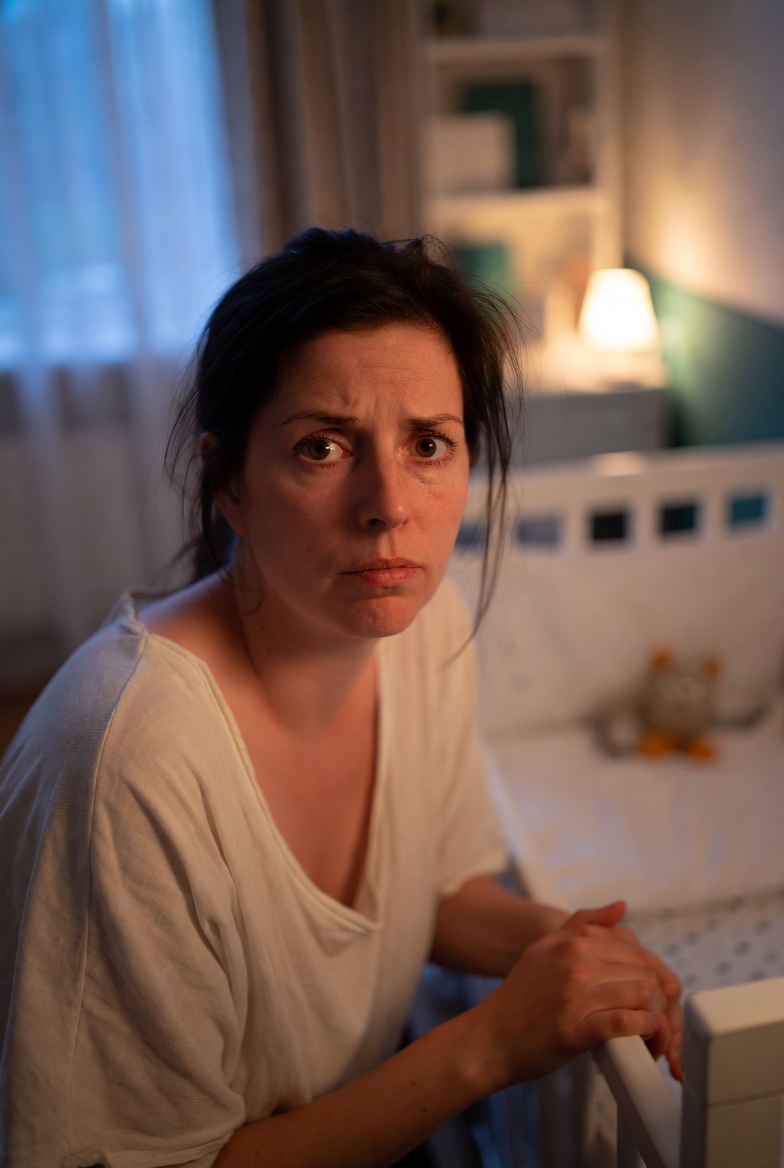
"I checked if my baby was breathing every 15 minutes. I was exhausted but couldn't stop."

How Emma recognised postnatal anxiety as a condition — not a parenting instinct — and used response prevention and cognitive restructuring to break the checking cycle.

10 wksRecovery
80%Less checking
5 hrsContinuous sleep
Read Emma's story →
Tom, night anxiety and insomnia case study
T
Tom, 37
Paramedic · Birmingham
Insomnia / Night Anxiety

"I'd dread going to bed. 3am was my enemy — wide awake, heart racing, mind spiralling."

How Tom used CBT-I, worry postponement, and the brain dump technique to break a 2-year cycle of anxiety-driven insomnia after a traumatic shift.

8 wksRecovery
3→7 hrsSleep per night
85%Fewer wake-ups
Read Tom's story →
Rachel, relationship anxiety case study
R
Rachel, 26
Teacher · Cardiff
Relationship Anxiety

"Every time my partner didn't reply within an hour, I was convinced he was leaving me."

How Rachel unpicked a pattern of anxious attachment, fortune-telling distortions, and reassurance-seeking that was destroying her relationships.

14 wksRecovery
0Reassurance texts/day
StableRelationship
Read Rachel's story →
Dan, exam anxiety case study
D
Dan, 17
A-level student · Nottingham
Exam Anxiety

"I was predicted A*s but I was so paralysed by the fear of failure I couldn't revise."

How Dan used CBT's behavioural experiments and ACT values work to separate his self-worth from his grades and finally sit his exams with confidence.

6 wksRecovery
A*AAResults
FullRevision schedule
Read Dan's story →
Lisa, morning anxiety and burnout case study
L
Lisa, 45
Head teacher · Surrey
Morning Anxiety / Burnout

"I'd wake at 5am with my heart pounding and a feeling of absolute dread about the day ahead."

How Lisa addressed the cortisol awakening response, chronic work stress, and the catastrophising habit that was turning every school day into a crisis.

10 wksRecovery
70%Less morning dread
SustainedIn role
Read Lisa's story →
Ahmed, driving anxiety case study
A
Ahmed, 33
Delivery driver · Bradford
Driving Anxiety / Phobia

"After the accident I couldn't drive above 30mph. My livelihood depended on it."

How Ahmed used graded exposure, cognitive restructuring, and the fear ladder to return to motorway driving 4 months after a road traffic accident.

14 wksRecovery
70mphMotorway restored
FullWork capacity
Read Ahmed's story →
Kate, imposter syndrome case study
K
Kate, 38
Senior solicitor · London
Imposter Syndrome

"I was a partner at the firm and still convinced they'd realise I didn't belong."

How Kate challenged a lifetime of discounting the positive, mind reading, and should statements to finally own her professional success without constant anxiety.

12 wksRecovery
80%Less self-doubt
FirstPublic speaking
Read Kate's story →
Michael, OCD reassurance cycle case study
M
Michael, 52
Retired police officer · Glasgow
OCD / Reassurance Cycle

"I'd check the door was locked 15 times before bed. I knew it was locked. I still checked."

How Michael used ERP (Exposure and Response Prevention) and ACT acceptance to break a 20-year pattern of checking compulsions that had taken over his retirement.


16 wksRecovery
15→1Door checks
2 hrsEvening freed
Read Michael's story →

Every loop can be broken. Start yours today.

Stop The Loop uses the same CBT and ACT techniques described in these case studies — delivered dynamically through AI, personalised to your situation.

Start for free →
Free tier · No credit card · Cancel anytime

From the blog

See all articles →
What happens during a panic attack
Panic
What Happens During a Panic Attack
The physiological cascade from first adrenaline surge to the peak and back down. What is actually happening and why it cannot harm you.
Read →
Dr Google and health anxiety
Health Anxiety
Dr Google and Health Anxiety: Why Googling Symptoms Makes It Worse
How symptom-checking becomes a compulsion and the exact mechanism by which each search makes health anxiety stronger.
Read →
The reassurance trap
CBT
The Reassurance Trap: Why It Keeps Anxiety Alive
Reassurance feels like it helps. Every time you seek it, anxiety gets a little stronger. Here's why, and what to do instead.
Read →
Morning anxiety cortisol spike
Anxiety
Morning Anxiety and the Cortisol Awakening Response
Why the first 30 minutes after waking are the most anxious of the day, and what the cortisol spike has to do with it.
Read →
Anxiety sleep cycle
Sleep
The Anxiety–Sleep Cycle: How to Break It
Anxiety disrupts sleep. Poor sleep worsens anxiety. The cycle is vicious and self-sustaining. Here is how CBT-I breaks it.
Read →
Worry vs anxiety vs panic
Understanding
Worry vs Anxiety vs Panic: What's the Difference?
They feel similar but they are not the same thing. Understanding the distinction changes how you respond to each one.
Read →
Why your brain lies to you
CBT
Why Your Brain Lies to You About Anxiety
The cognitive distortions that make anxiety feel like facts. How to spot them and what CBT does about them.
Read →
The 90 second rule
ACT
The 90-Second Rule: Emotions That Run Their Course
Neuroscientist Jill Bolte Taylor's discovery that an emotion, left alone, lasts 90 seconds. What happens after is a choice.
Read →
Why meditation doesn't work for everyone
CBT vs Meditation
Why Meditation Doesn't Work for Everyone With Anxiety
For some people, sitting with their thoughts makes anxiety worse. The science of why and what works instead.
Read →
Anxiety gets worse before better
Recovery
Why Anxiety Gets Worse Before It Gets Better
Starting CBT often increases anxiety before it reduces it. This is not a sign it's not working. It's how it works.
Read →
5 things therapists wish you knew
Therapy
5 Things Therapists Wish You Knew About Anxiety
The most common misconceptions that slow down recovery, explained clearly by the people who see them every week.
Read →
How to help someone with anxiety
For Loved Ones
How to Help Someone With Anxiety
What actually helps, what accidentally makes it worse, and the most important thing you can do for someone in a spiral.
Read →

Swipe to see more →