Featured articles

Why Your Brain Lies to You: The Science of Anxious Thinking
Your brain isn't broken — it's running threat-detection software built for a world that no longer exists. Here's why anxiety distorts your thinking and what you can do about it.
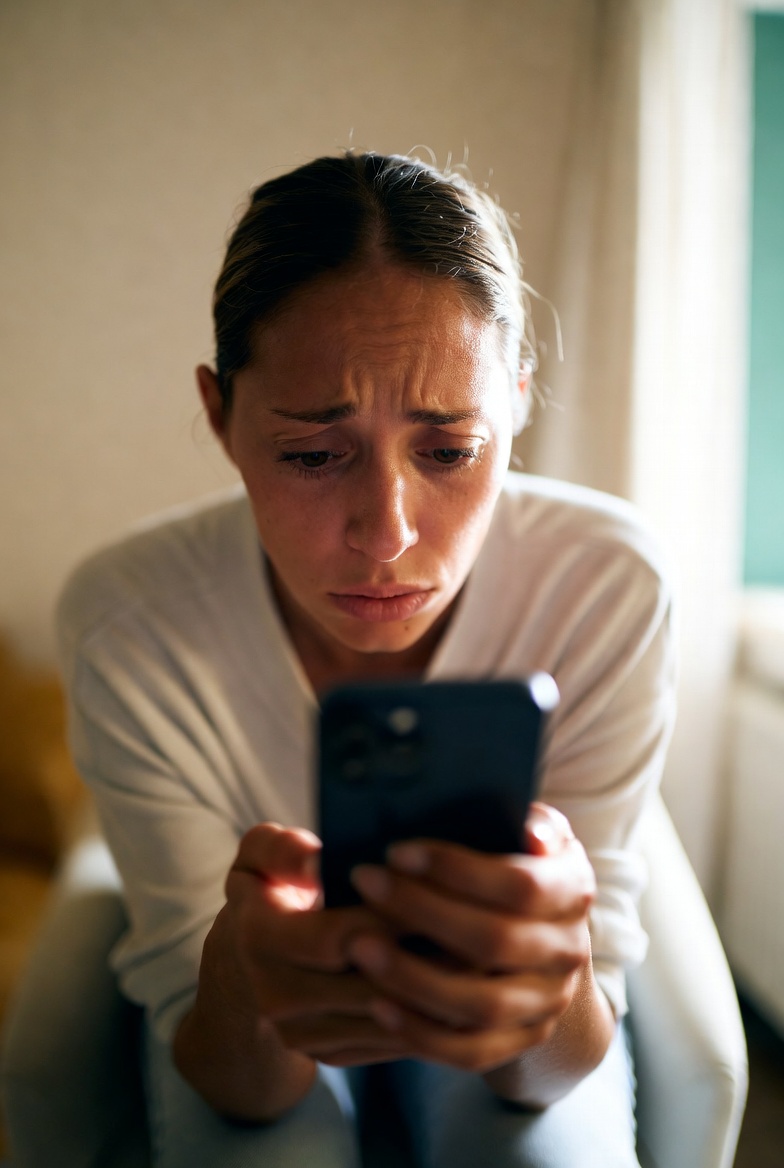
The Reassurance Trap: Why "Am I Okay?" Makes Anxiety Worse
Googling symptoms. Asking your partner. Checking your body. Every reassurance feels essential — but each one feeds the loop. The counterintuitive science of why stopping helps.
All articles

The 90-Second Rule: Stop Anxiety Before It Starts
The neurochemical surge that triggers anxiety lasts 90 seconds. Intervene in that window and you can stop a spiral before it forms.

Why Meditation Doesn't Work for Everyone
Sitting with your thoughts sounds peaceful — until your thoughts are screaming. For many anxious people, meditation backfires. Here's what works instead.

What Happens in Your Brain During a Panic Attack
The amygdala fires. Adrenaline floods. Your prefrontal cortex goes offline. Here's the neuroscience of panic — and why understanding it helps stop it.

The Anxiety-Sleep Cycle: How to Break It
Poor sleep fuels anxiety. Anxiety destroys sleep. This bidirectional relationship creates one of the most stubborn loops in mental health. Here's how to interrupt it.

5 Things Therapists Wish You Knew About Anxiety
Anxiety isn't weakness. Avoidance makes it worse. You don't need to feel ready. And other truths from the therapy room that could change how you approach your mental health.
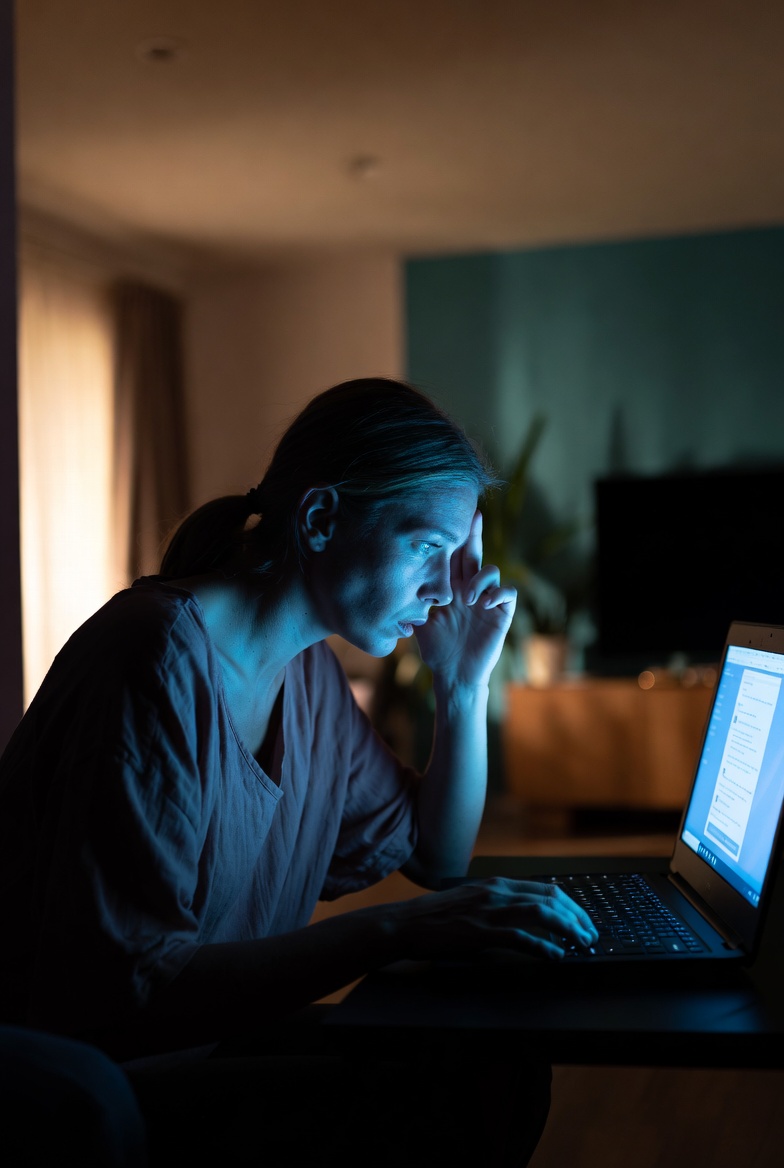
Dr Google Will See You Now: Why Symptom-Searching Fuels Anxiety
You Google "headache" and within three clicks you're reading about brain tumours. Here's the psychology of why symptom-searching is so addictive and so destructive.

How to Help Someone Having an Anxiety Spiral
Your partner, friend, or family member is spiralling. You want to help but don't know what to say. Here's what actually works — and what makes it worse.

Worry vs Anxiety vs Panic: What's the Difference?
They feel similar but they're fundamentally different — and knowing which one you're experiencing changes how you respond. A clear guide to the spectrum.

Why Anxiety Gets Worse Before It Gets Better
You started therapy or self-help and now you feel worse. This is normal, it's temporary, and it's actually a sign of progress. Here's why.

Morning Anxiety: The Cortisol Spike Explained
Waking up with dread, a racing heart, and a stomach full of knots. Morning anxiety has a biological cause — and understanding it is the first step to managing it.
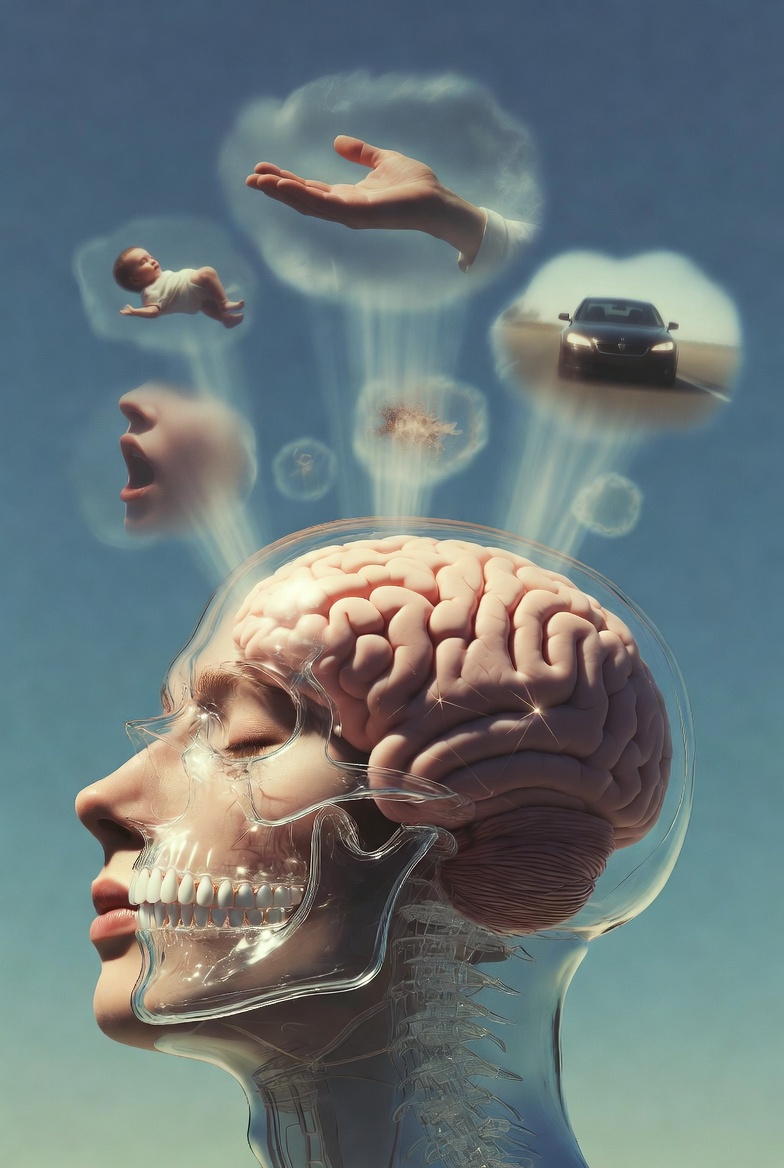
Intrusive Thoughts: Why Having Them Doesn't Mean What You Think
The thought that scared you most isn't a confession. It's not a warning. It's a neurological reflex — and the harder you push it away, the louder it gets. Here's why.

Anxiety vs Depression: How to Tell the Difference (and Why They Overlap)
Most people with anxiety have symptoms of depression. Most people with depression feel anxious. Here's the clinical distinction, why they feed each other, and what to do about it.
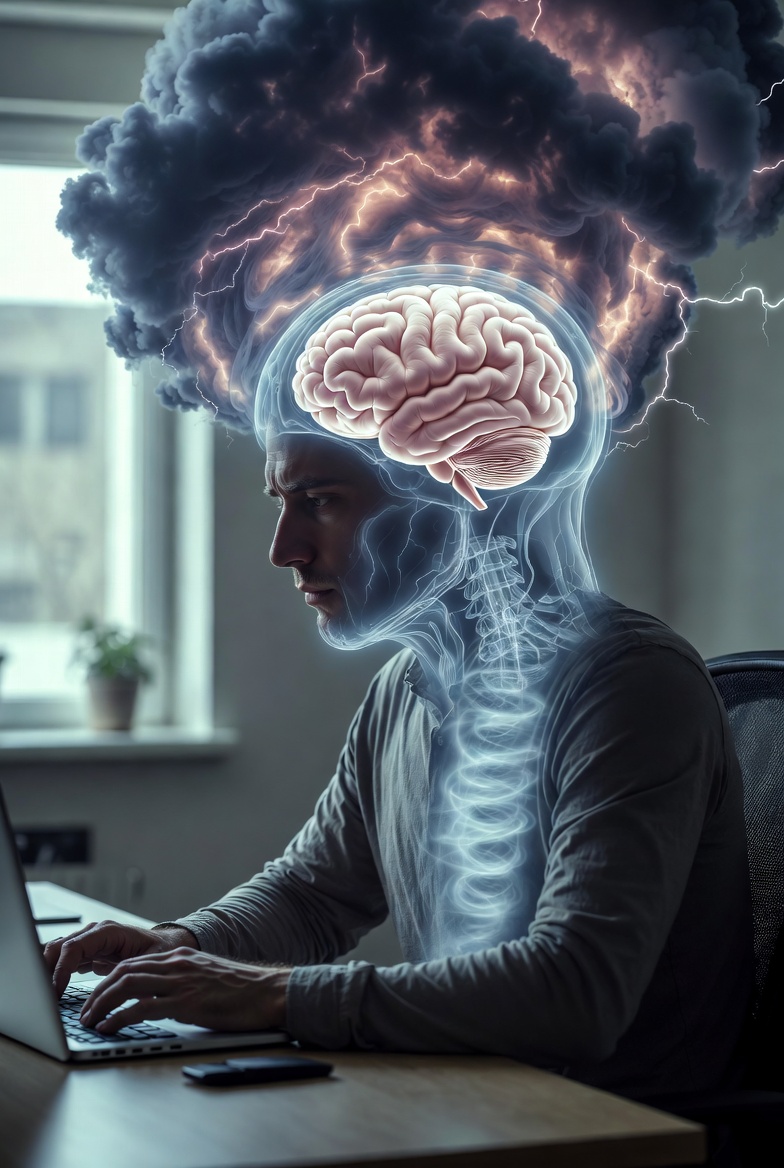
Workplace Anxiety: Why Sunday Night Feels Like a Funeral
The Sunday scaries. The email dread. The meeting panic. Work anxiety has specific triggers and specific solutions — most of them aren't "do more self-care."

Acceptance Isn't Giving Up: The Most Misunderstood Idea in ACT
"So I just have to accept feeling terrible forever?" No. Acceptance in ACT means something specific — and understanding it properly is the difference between healing and suffering.

10 Defusion Techniques to Unhook From Anxious Thoughts
Saying your thought in a silly voice sounds ridiculous. It also works. Ten ACT-based defusion techniques that create distance between you and the thought that's running you.

When Your Child Has Anxiety: What Actually Helps
Telling them not to worry doesn't work. Neither does removing every trigger. The evidence-based framework for parenting an anxious child — without making it worse.

High-Functioning Anxiety: The Version Nobody Talks About
You're hitting deadlines, going to the gym, showing up for everyone. You're also exhausted, restless, and terrified of stopping. Here's why your anxiety hides in plain sight.

Your First Panic Attack: What Just Happened (and What to Do Next)
You thought you were dying. You weren't. But now you're scared it will happen again. Here's exactly what happened in your body, why it's not dangerous, and how to stop the second one.

Anxiety Chest Pain vs Heart Attack: How to Tell the Difference
The squeeze, the tightness, the arm tingle — your body is sounding an alarm that feels identical to a cardiac event. Here's what's actually happening, and the specific differences doctors look for.

Derealisation and Depersonalisation: When the World Feels Fake
You're looking at your own hands and they don't feel like yours. The room looks flat, like a film set. You're not losing your mind — it's one of the most common anxiety symptoms nobody talks about.

The Gut-Anxiety Connection: Why Your Stomach Spirals First
Nausea before a meeting. IBS that flares when life does. The gut has more neurons than your spinal cord, and it's listening to every anxious thought. Here's the science, and what actually helps.

Hyperventilation: Why "Just Breathe" Makes It Worse
Panicked breathing isn't too little oxygen — it's too much. The standard advice to take deep breaths can actually extend the attack. Here's the counterintuitive reset that works in under 90 seconds.

Rumination vs Problem-Solving: The Test That Tells Them Apart
Thinking hard about a problem feels productive. Ruminating feels productive too — but it isn't. One question reveals which one you're actually doing, and why your brain keeps confusing them.
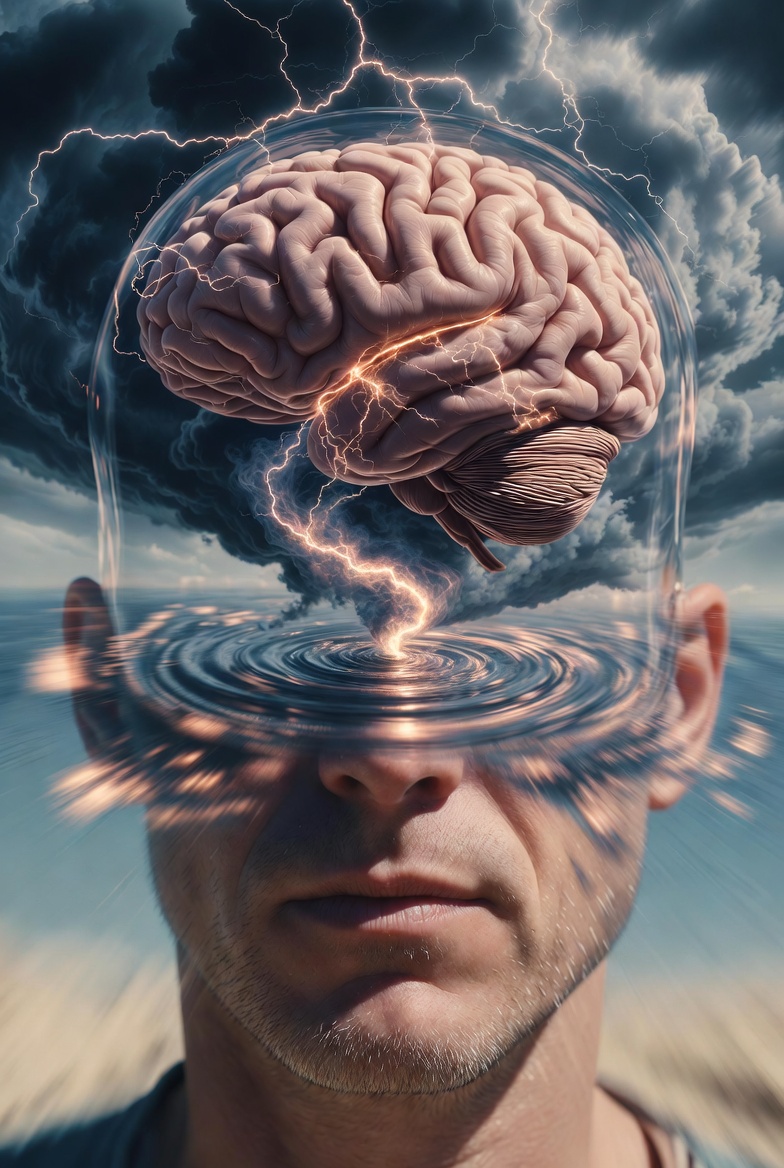
The Silent Spiral: Why Men Don't Talk About Anxiety
Anger, withdrawal, "working late," drinking more. Men experience anxiety differently — and the symptoms often don't look like anxiety at all. Here's what to watch for.

Catastrophising: Why Your Brain Defaults to Worst-Case
A headache becomes a tumour. A missed text becomes a breakup. This isn't weakness or drama — it's a specific cognitive distortion with a clear fix. Here's what it is and how to interrupt it.

Perfectionism Isn't a Strength — It's Anxiety in a Suit
High standards are fine. Perfectionism is a threat response dressed up as ambition. Here's how to spot the difference, and why the people who look most together are often the most stuck.

Caffeine and Anxiety: The Dose Where It Turns on You
Your morning coffee isn't the problem. Your third one at 2pm might be. Here's what caffeine actually does to the anxious brain, the exact threshold where it tips, and whether quitting really helps.

Hangxiety: Why You Wake Up Dreading Everything
The racing thoughts, the shame spiral, the certainty that you said something terrible — hangxiety is a real neurochemical rebound, not a personality flaw. Here's what's happening and how long it lasts.

Exercise for Anxiety: The Dose That Actually Works
"Go for a run" is useless advice without specifics. The research is clear on intensity, duration, and frequency — and it's probably less than you think. Here's the exact prescription.

Values-Based Living: The ACT Approach to Moving Forward Anyway
You can't wait until the anxiety lifts to start living — it doesn't work like that. Values-based action is the ACT technique that lets you move toward what matters while the fear is still in the room.

Thought Records: The CBT Tool That Feels Tedious and Works Anyway
Writing down your thoughts feels childish. Doing it for two weeks rewires how you relate to them. Here's the exact format therapists use, why it works, and the mistakes that make it pointless.

The 5-4-3-2-1 Grounding Technique: Why It Actually Works
Name five things you can see, four you can touch — you've heard it. But most people do it wrong and give up. Here's the neuroscience behind it, and the small tweak that makes it land.

Worry Time: The Paradoxical Technique That Quiets an Anxious Mind
Instead of fighting worry all day, you schedule it. Fifteen minutes, same chair, same time. It sounds absurd. It's also one of the most evidence-backed interventions in the CBT toolkit.

Postnatal Anxiety: The Symptom Nobody Warned You About
Postnatal depression gets the headlines. Postnatal anxiety is more common and often misdiagnosed as "just being a new mum." Here's what it looks like, why it's different, and when to get help.

Perimenopause Anxiety: When Your Brain Suddenly Feels Like a Stranger's
Women who've never had anxiety in their life are waking up at 3am with their heart hammering. It's not a coincidence — it's hormonal. Here's what's happening and what actually helps.

Exam Anxiety: Why Revision Makes It Worse (and What to Do Instead)
More hours at the desk isn't the answer — and for anxious students, it often backfires. Here's the revision approach that works with an anxious brain, not against it.
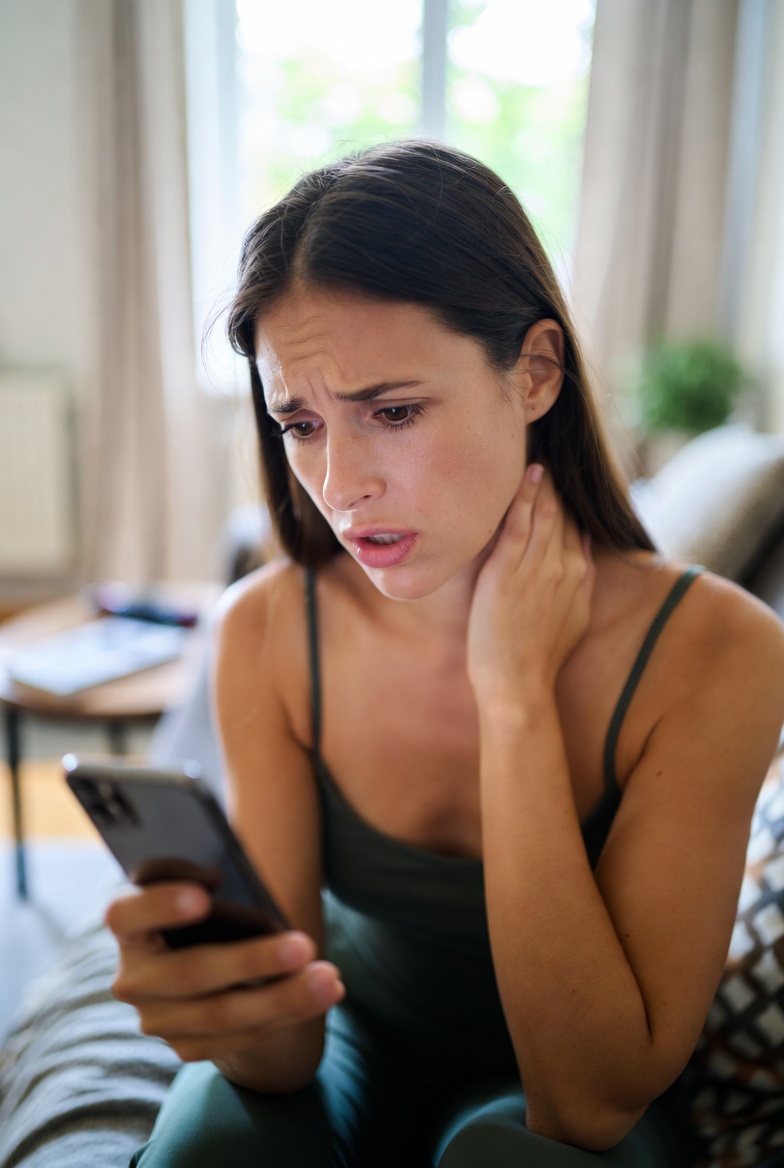
Phone Call Anxiety: Why a 30-Second Call Can Ruin Your Morning
You'd rather drive across town than make a five-minute call. This isn't laziness or rudeness — it's a specific subtype of social anxiety, and it's exploding in people under 40.
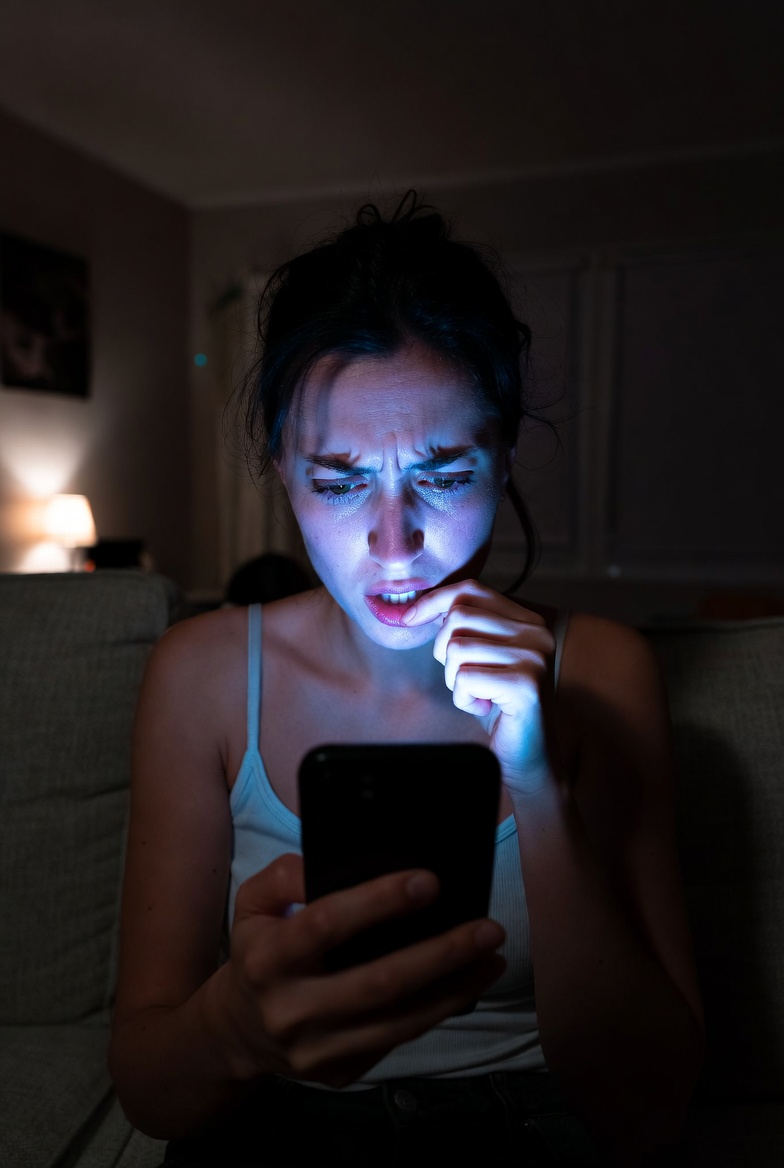
Doomscrolling: Why Your Brain Keeps Reaching for More Bad News
You know it's making you anxious. You do it anyway. There's a specific reason scrolling feels soothing in the moment and corrosive by the end — and a specific way to break the loop.

How Long Does It Take to Recover From Anxiety? An Honest Answer
Not 30 days. Not "one weird trick." Real recovery from anxiety follows a rough timeline — and knowing what to expect in weeks 1, 6, and 12 is half the battle.

People-Pleasing and Anxiety: The Hidden Link
Saying yes when you mean no isn't kindness — it's a nervous system trying to stay safe. The exhaustion, the resentment, the anxiety spike before social events all trace back to the same root.
Reading about techniques is good. Practising them is better.
Stop The Loop guides you through CBT and ACT techniques in real time — personalised to what you're experiencing right now.
Start for free →